
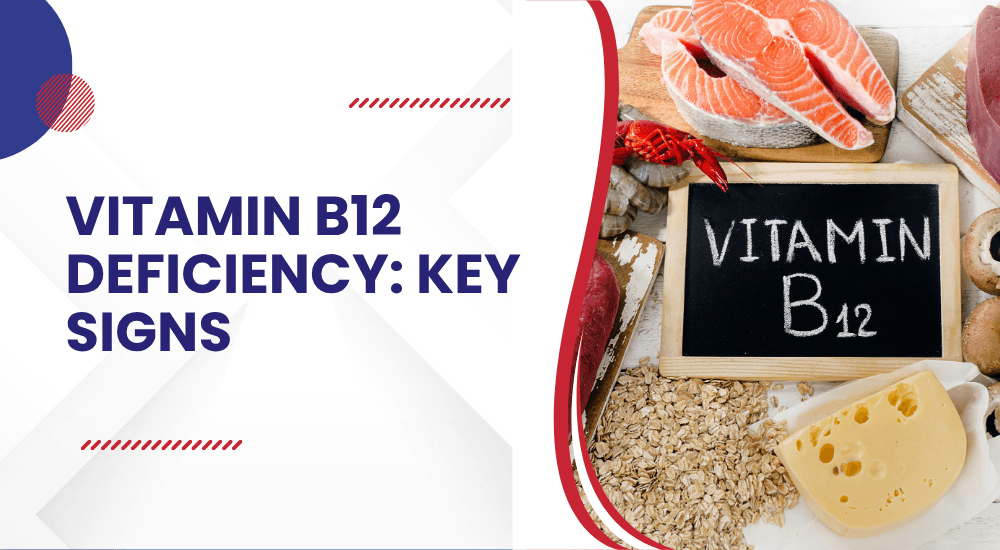
Vitamin B12 deficiency usually turns up as a cluster of things: fatigue, weakness, tingling or numbness in the hands and feet, pale or faintly yellow skin, breathlessness, and a foggy, forgetful head. It builds slowly, because the body keeps a decent store of B12, so the signs can creep in over months before anyone joins the dots. Most cases trace back to diet, particularly diets light on animal foods, or to absorption trouble in the gut. Caught early it’s usually simple to put right, but left long enough some of the nerve damage can stick.
According to the Roma Hospital clinical team, Best Hospital in Kompally, Hyderabad, “the tiredness gets blamed on everything else first, but once it turns up with tingling feet or a sore tongue, B12 jumps to the top of the list worth ruling out.”
Tired all the time with tingling hands or feet?
What are the early signs of B12 deficiency?
The first clues are easy to miss, because they’re vague and they arrive gradually.
Fatigue
Usually first and easiest to dismiss, the bone-deep sort that sleep doesn’t fix and that gets pinned on a busy life long before anyone thinks of a blood test
Tingling
Tingling or numbness in the fingers and toes is the one that should raise a flag, since it points at the nerves rather than just low energy
Pale skin
Sometimes with a faint yellow tinge, shows up as the red blood cells take a hit.
Sore tongue
Tongue that’s red, smooth, and oddly tender catches plenty of people off guard, yet it’s a classic B12 sign.
A simple blood test settles it quickly, which beats guessing while the symptoms quietly tick along.
When should low B12 be taken seriously?
A mild dip is common and easily topped up, yet some signs mean it’s pushed past the nuisance stage.
Nerve symptoms
Symptoms that spread, like numbness climbing the legs or balance going off, mean the deficiency is reaching the nervous system and shouldn’t wait.
Breathlessness
Racing heart on mild effort suggests the anemia has set in properly
Memory and mood
Slipping, the brain fog, the low mood, even confusion in older people, can trace back to B12 far more often than anyone expects
No response
No response to better diet is its own clue, because that usually means the gut isn’t absorbing B12 and injections may be needed in place of tablets.
Plenty of common problems hide in plain sight exactly like this, including the hypertension that so many adults carry around without a clue.
Why Choose Roma Hospital?
Roma Hospital runs general medicine, diagnostics, and everyday care under one roof, with in-house pathology that turns a vague “I’m always tired” into an actual B12 number on the same visit. The general medicine team sees deficiencies like this constantly, so they know when it’s a quick dietary fix and when something in the gut needs chasing.
What patients get is a proper workup rather than a brushed-off complaint, with the deficiency confirmed, the cause tracked down, and the right fix chosen, whether that’s a diet change, tablets, or injections, and the tests done in-house rather than chased across town.
Call +91 62093 33999 to book your consultation.
FAQ's
What causes vitamin B12 deficiency?
Usually a diet low in animal foods or trouble absorbing B12 in the gut.
Can B12 deficiency be reversed?
Yes, most cases improve with dietary changes, tablets, or B12 injections.
Who is most at risk of low B12?
Vegetarians, vegans, older adults, and people with gut or absorption disorders.
How is vitamin B12 deficiency diagnosed?
A simple blood test measuring B12 levels confirms the deficiency.
Disclaimer:
This blog is intended for educational purposes only and does not replace professional medical advice.
Please consult a certified medical professional for guidance specific to your condition.