
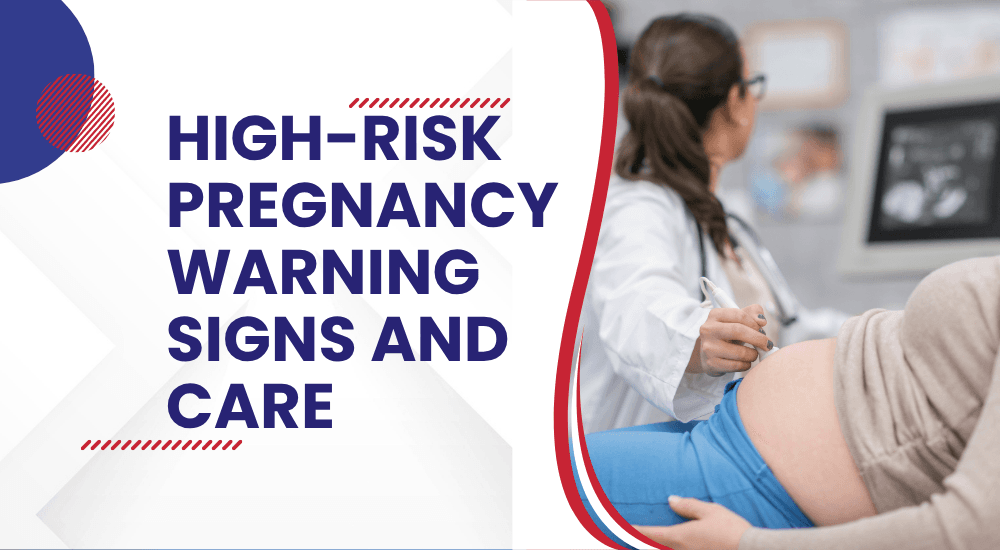
A high-risk pregnancy means the mother, the baby, or both face a higher chance of trouble during pregnancy, labour, or the first few weeks after birth. Causes vary, hypertension, diabetes, thyroid issues, twins, a placenta sitting too low, or a baby that’s growing slower than expected. Bleeding, sudden swelling, a stubborn headache, or fewer kicks than usual are signs we want checked the same day. With early pickup and a proper plan, most of these pregnancies end well.
According to Dr. Pulla Anusha, Gynaecologist in Kompally, “Most high-risk pregnancies do fine when we spot trouble early, what bites us is when warning signs get brushed aside as ordinary pregnancy aches.”
Fewer baby kicks today than yesterday, or a headache that won’t go?
Which warning signs in pregnancy need a same-day check?
Some pregnancy symptoms are just uncomfortable. These four aren’t.
Headache that won't quit
After rest, water, and a paracetamol, mostly in the second half of pregnancy. Pre-eclampsia often starts there. Sometimes with blurred vision or a dull ache under the right ribs that gets blamed on indigestion.
Bleeding from the vagina
The cause could be a placenta sitting too low. Or the placenta starting to peel away from the wall. Each one is handled very differently.
Fewer baby kicks after 28 weeks
Every baby has its own rhythm. If kicks drop noticeably across a few hours, even after a meal or a cold drink that normally wakes the baby up, get seen.
Sudden puffiness in the face
Especially with raised BP or protein in your urine. Likely pre-eclampsia, not just water retention.
Patients spotting any of these should ring their Gynecologist the same day.
How is a high-risk pregnancy managed in the antenatal months?
Care plans aren’t one-size. Two mothers at the same week can end up on completely different schedules.
More frequent visits
Going from once a month, to fortnightly, then weekly closer to delivery. We’re trying to catch creeping BP or a baby slipping below its growth line before it gets worse.
Scans beyond the usual three
Especially when there’s a question over growth, fluid levels, or where the placenta is sitting. Doppler studies get added in to see how blood’s moving through the cord.
Existing conditions get tighter control
Some meds aren’t safe and get changed. Dosages drift as pregnancy goes on. The numbers we aim for on sugar and BP are stricter than the non-pregnant ones.
The delivery itself is planned weeks ahead
Timing, mode of delivery, steroid jabs for the baby’s lungs if needed, and whether NICU should be on standby. Nothing left to figure out on the day.
For mothers booking their first antenatal visit, our piece on pregnancy care through each trimester is a good place to start.
Why Choose Roma Hospital?
Dr. Pulla Anusha is a consultant Obstetrician and Gynecologist at Roma Hospital, with experience in antenatal care, high-risk pregnancy, gynecological surgery, and conditions like PCOS, fibroids, and abnormal bleeding.
High-risk pregnancy care goes better when the mother actually understands what’s being looked at and why. So every consultation walks through the reasoning behind each scan, each blood test, and any medication change. Call +91 62093 33999 to book your consultation.
FAQ's
What makes a pregnancy high-risk?
Maternal age over 35, existing conditions, twins, or past complications.
Can a high-risk pregnancy still have a normal delivery?
Yes, many high-risk mothers deliver vaginally with careful monitoring.
How often are scans done in a high-risk pregnancy?
Every two to four weeks, depending on the underlying concern.
Should I avoid travel during a high-risk pregnancy?
Long-distance travel after 28 weeks needs your obstetrician’s clearance first.